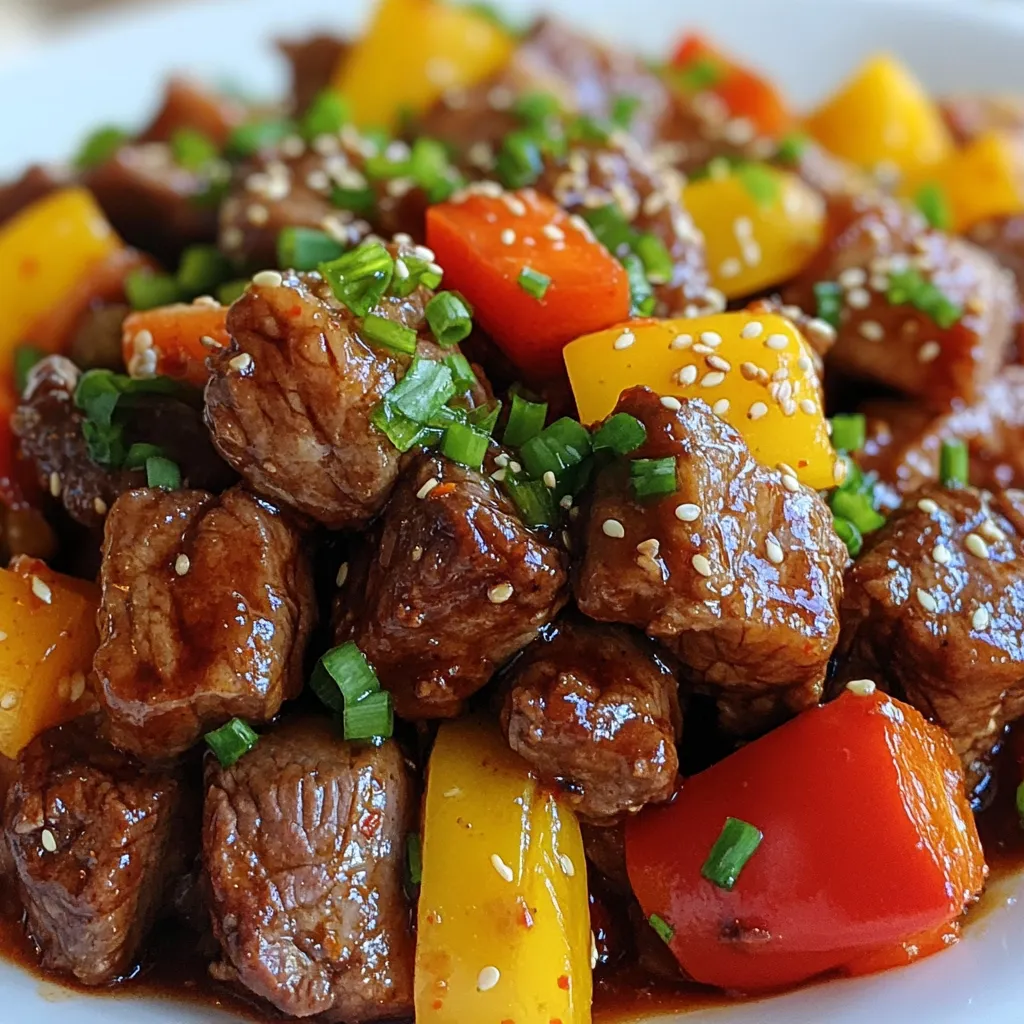
Looking for a simple and delicious dinner option? This Korean Beef Crockpot recipe is your answer! With a few key ingredients like beef chuck roast, soy sauce, and brown sugar, you can create a savory dish packed with flavor. Perfect for busy nights, this recipe lets you enjoy an easy, home-cooked meal without the stress. Let’s dive into how you can make this tasty crockpot dish today!
Why I Love This Recipe
- Flavorful Marinade: The combination of soy sauce, brown sugar, and sesame oil creates a rich and savory flavor that perfectly complements the beef.
- Easy Preparation: This dish requires minimal prep time and can be set in the crockpot, allowing you to enjoy a delicious meal without much effort.
- Versatile Vegetables: Adding carrots and bell peppers not only enhances the nutrition but also adds vibrant color and texture to the dish.
- Perfect for Gatherings: With 6-8 servings, this recipe is great for family dinners or gatherings, making it a crowd-pleaser.
Ingredients
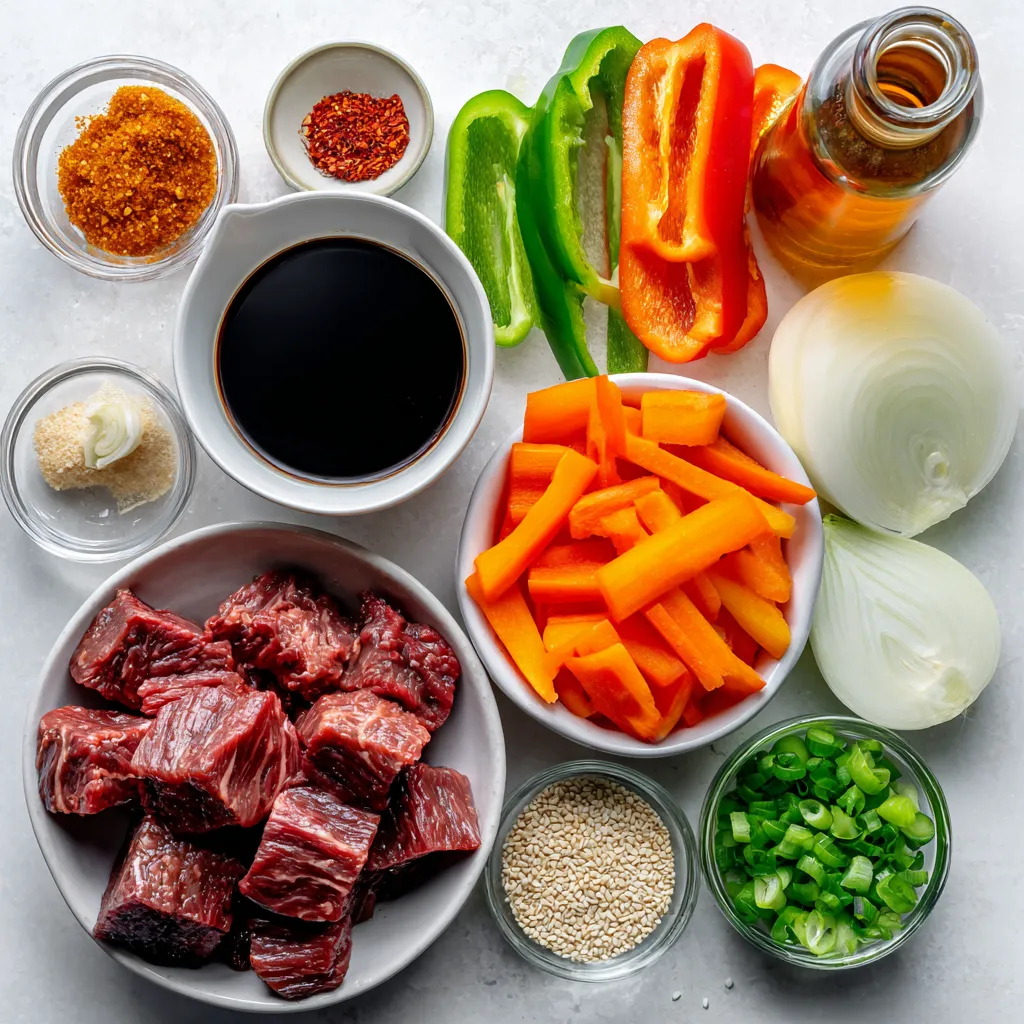
Main Ingredients for Korean Beef Crockpot
– 2 pounds beef chuck roast, cut into cubes
– 1 cup low-sodium soy sauce
– 1/2 cup brown sugar
– 1/4 cup sesame oil
For the main ingredients, I use beef chuck roast. It is tender and flavorful. The low-sodium soy sauce adds salt without being too salty. Brown sugar gives a nice sweetness. Sesame oil adds a rich, nutty taste.
Additional Flavoring Ingredients
– 1/4 cup rice vinegar
– 4 cloves garlic, minced
– 1 tablespoon ginger, minced
– 1 teaspoon red pepper flakes (adjust for spice preference)
Rice vinegar adds a bright note. Garlic and ginger bring warmth and depth. I add red pepper flakes for some heat. Feel free to adjust these to match your taste.
Vegetables and Garnishes
– 1 medium onion, sliced
– 1 cup carrots, sliced
– 1 cup bell peppers, sliced
– 3 green onions, chopped (for garnish)
– Sesame seeds (for garnish)
I love adding onion, carrots, and bell peppers for color and crunch. Green onions and sesame seeds make great garnishes. They add a fresh touch and look beautiful on the plate.
Step-by-Step Instructions
Preparing the Marinade
First, gather your ingredients for the marinade. You need low-sodium soy sauce, brown sugar, sesame oil, rice vinegar, minced garlic, minced ginger, and red pepper flakes.
1. In a mixing bowl, add:
– 1 cup low-sodium soy sauce
– 1/2 cup brown sugar
– 1/4 cup sesame oil
– 1/4 cup rice vinegar
– 4 cloves garlic, minced
– 1 tablespoon ginger, minced
– 1 teaspoon red pepper flakes
2. Whisk these ingredients together until they blend well. This creates a tasty marinade that brings out the best flavors in the beef.
Tips for achieving the best flavor:
– Let the marinade sit for a few minutes to develop its taste.
– For a bolder flavor, marinate the beef for a few hours or overnight.
Loading the Crockpot
Now, it’s time to load your crockpot. Start by adding the beef.
1. Place 2 pounds of cubed beef chuck roast in the crockpot.
2. Pour the marinade over the beef, ensuring every piece is well coated.
Next, add your veggies:
1. Layer 1 medium sliced onion, 1 cup of sliced carrots, and 1 cup of sliced bell peppers on top of the beef.
2. Make sure the vegetables sit on the beef, so they soak up all that delicious marinade.
Cooking Times and Settings
Cooking time matters. You want tender beef that falls apart easily.
– Cooking on low: Set your crockpot to low for 6-8 hours.
– Cooking on high: If you’re short on time, set it to high for 4-5 hours.
Importance of cooking time for tenderness:
Longer cooking times allow the beef to break down and become tender. If you rush it, you might end up with tough meat. Trust the process; your patience will reward you with a savory meal!
Tips & Tricks
Best Practices for Cooking Korean Beef
To make sure your beef is tender, choose a good cut. Beef chuck roast works best. Cut it into even cubes. This helps it cook evenly. Cook it low and slow for the best results. This method breaks down the meat’s fibers.
Marinating is key for flavor. Aim for at least one hour. If you can, marinate overnight. This gives the beef time to soak up the taste. The marinade has soy sauce, brown sugar, garlic, and ginger. Each ingredient adds its own depth of flavor.
Serving Suggestions
When serving Korean beef, think about sides. Steamed rice is a classic choice. It soaks up the savory sauce. You can also serve it with crunchy veggies like cucumber or radish. These add a nice contrast.
Try adding a simple salad. A mix of greens with a light dressing works well. You can also serve pickled vegetables for extra zing. They balance the rich flavors of the beef.
Common Mistakes to Avoid
One big mistake is overcooking the beef. Check it at the suggested times. If the beef is tough, it may have cooked too long. Use a fork to shred it gently.
Don’t skip on spices. The red pepper flakes add a nice kick. Adjust the amount to your spice level. If you leave them out, the dish may taste bland. Always taste your dish before serving. This way, you can adjust the flavors to your liking.
Pro Tips
- Choose the Right Cut: Using beef chuck roast ensures tenderness and flavor. This cut becomes incredibly soft when cooked slowly, making it perfect for this dish.
- Marinate Longer: For deeper flavor, marinate the beef in the sauce for at least 1 hour (or overnight) before cooking. This will enhance the savory notes of the dish.
- Veggie Variations: Feel free to add other vegetables like mushrooms or zucchini for added color and nutrition. They will absorb the delicious sauce as they cook.
- Serve with Rice: Pair this savory beef delight with steamed rice or noodles to soak up the flavorful sauce. It’s a perfect complement to balance the dish.
Variations
Alternative Proteins
You can switch out beef for chicken or tofu. Chicken thighs work well and stay juicy. For tofu, use firm or extra-firm types. Adjust the marinade for these proteins. Chicken may need less time to cook. Tofu soaks up flavors, so marinate it longer for a tasty bite.
Vegetable Substitutions
Feel free to add other veggies that you enjoy. Broccoli, snap peas, or mushrooms can add great flavor. You can use what is in season for the best taste. When veggies are fresh, they make the dish even better.
Spiciness Adjustment
You can control the spice level to suit your taste. To make it milder, reduce the red pepper flakes. If you like heat, add more flakes or some sliced fresh chili peppers. For a different type of heat, try chili paste or sriracha. Adjusting spice makes this dish your own.
Storage Info
How to Store Leftovers
To keep your Korean beef fresh, refrigerate it quickly. Place the beef in airtight containers. This prevents air from getting in and keeps the flavor strong. Make sure to cool the beef before sealing it. Store it in the fridge for up to four days.
Freezing Instructions
You can also freeze the Korean beef for later. First, let it cool down. Then, place it in freezer-safe bags. Squeeze out as much air as you can before sealing. For the best taste, use it within three months. To thaw, put it in the fridge overnight. Reheat in a pot on the stove or in the microwave until it’s hot.
Shelf Life
In the fridge, your Korean beef lasts about four days. In the freezer, it can stay good for up to three months. Watch for signs of spoilage, like a strange smell or change in color. If you notice these, it’s best to throw it away. Enjoying your dish safely is key!
FAQs
Can I use frozen beef for this recipe?
Yes, you can use frozen beef. Just make sure to thaw it first. The best way to thaw beef is in the fridge overnight. If you need it fast, submerge the beef in cold water for a few hours. Avoid using warm water, as it may lead to uneven thawing.
How can I make this dish gluten-free?
You can easily make this dish gluten-free by changing the soy sauce. Use gluten-free soy sauce or tamari instead. These will give you a similar taste without gluten. Always check the label to confirm it’s gluten-free.
What can I do with leftover sauce?
Don’t throw away the leftover sauce! You can save it in a jar in the fridge. It makes a great marinade for other meats or veggies. You can also use it as a dipping sauce or drizzle it over rice and noodles for added flavor.
Korean beef in a crockpot is simple, flavorful, and perfect for meals. We discussed the key ingredients, cooking steps, and ways to personalize the dish. Remember to watch cooking times for perfect tenderness and avoid overcooking.
With these tips and variations, you can enjoy a delicious meal each time. Store leftovers well and get creative with substitutes. Enjoy the cooking journey as much as the delicious result